
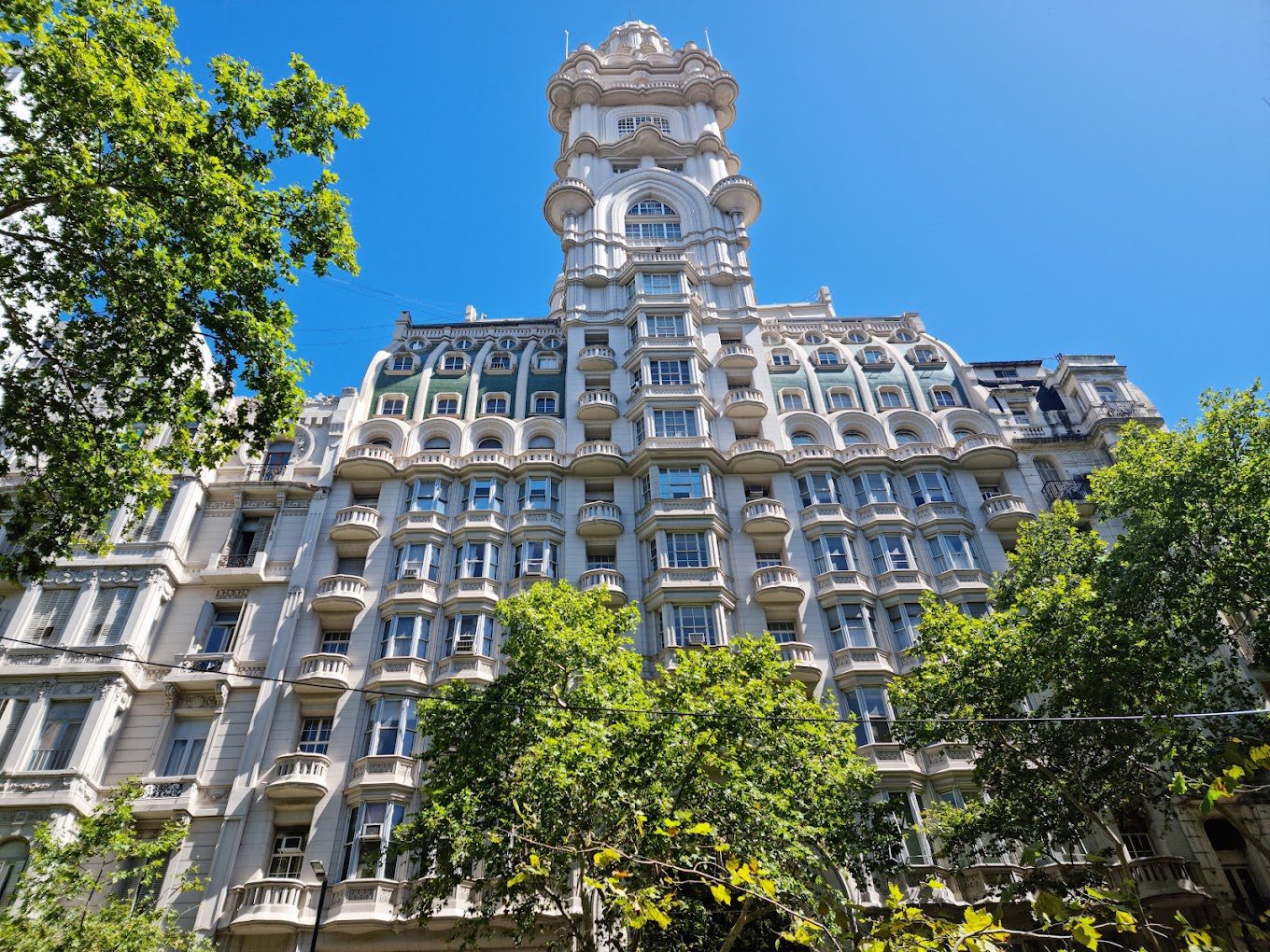
Discover the Magic of Palacio Barolo: A Unique Architectural Gem in Buenos Aires
A Tribute to Dante’s Divine Comedy
Palacio Barolo stands as an iconic symbol of architectural brilliance in Buenos Aires. Designed by renowned architect Mario Palanti, the building draws inspiration from Dante Alighieri’s Divine Comedy. Its design is divided into three symbolic sections—hell, purgatory, and heaven—reflecting Dante’s journey through the afterlife. Every detail, from the intricate carvings to the use of numerology, is steeped in allegory, making Palacio Barolo a masterpiece of art and symbolism.
Unforgettable Panoramic Views
One of the building’s most captivating features is the lighthouse perched at its summit. Visitors can ascend to this vantage point for breathtaking 360-degree views of Buenos Aires. From this height, you’ll enjoy stunning perspectives of the city, including the majestic Congress building and the bustling cityscape below.
Rich History and Mystical Elements
Completed in 1923, Palacio Barolo is a treasure trove of history and mysticism. Mario Palanti’s fascination with numerology and Dante’s literary genius is evident in every aspect of the building’s design. Each element tells a story, inviting visitors to delve deeper into its hidden meanings and historical significance.
Engaging Guided Tours
To fully appreciate the wonders of Palacio Barolo, join one of the guided tours offered. These tours provide insights into the building’s symbolism, its historical context, and the architectural genius behind its design. For a truly magical experience, opt for the nighttime tour, where the illuminated lighthouse casts a radiant glow over the city, creating an unforgettable ambiance.
Plan Your Visit to Palacio Barolo
Palacio Barolo is a must-visit destination for architecture enthusiasts, history buffs, and anyone seeking to uncover the hidden gems of Buenos Aires. Whether exploring its symbolic design or marveling at the panoramic views, this architectural marvel offers an experience like no other.


Each paragraph unfolds like a delicate flower, revealing more with every turn of the page.