
Beware of These Dangerous Insects and Spiders at Iguazú National Park
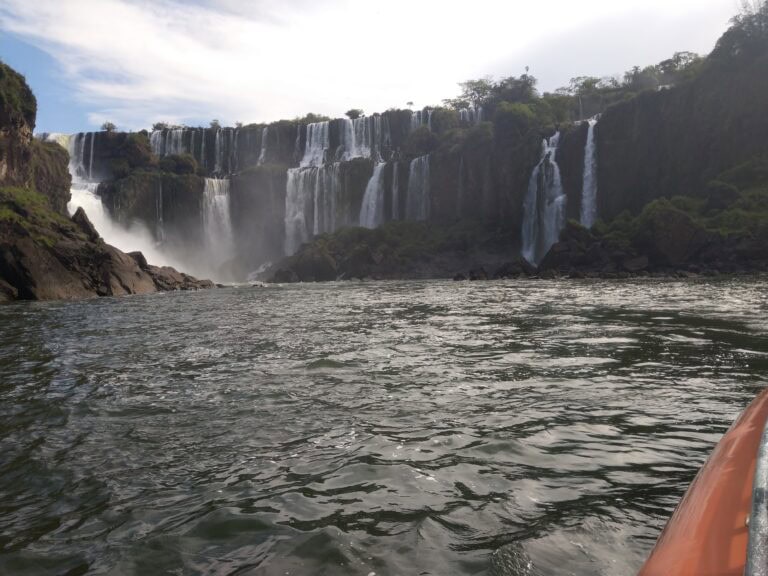
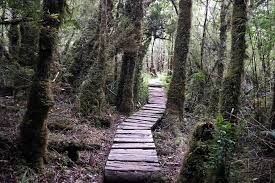
Iguazú National Park, located on the border of Argentina and Brazil, is famous for its breathtaking waterfalls, lush rainforests, and diverse wildlife. While the park is a paradise for nature lovers, it is also home to some dangerous insects and spiders that visitors should be aware of. Understanding the risks and taking necessary precautions can ensure a safe and enjoyable visit.
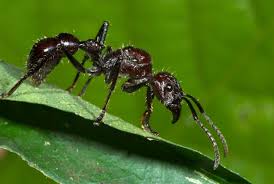
Bullet Ant (Paraponera clavata) – The Most Painful Sting
One of the most feared insects in the region, the bullet ant is known for delivering one of the most painful stings in the animal kingdom. Often found on trees and forest floors, these large ants can grow up to an inch long. Their sting releases venom that causes intense pain, lasting up to 24 hours. While not fatal, a bullet ant sting can cause swelling, nausea, and temporary immobility. Visitors should avoid touching trees or logs without inspecting them first.
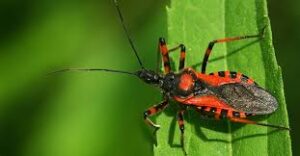
Assassin Bugs (Triatominae – Kissing Bugs) – Carriers of Chagas Disease
These nocturnal insects are often called “kissing bugs” because they tend to bite humans around the mouth or face while they sleep. Some species carry the parasite Trypanosoma cruzi, which causes Chagas disease—a potentially serious illness that can lead to heart and digestive problems if untreated. Using insect repellent and sleeping under a mosquito net are effective preventive measures.
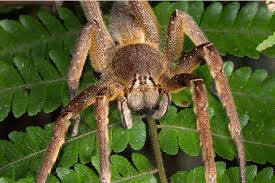
Brazilian Wandering Spider (Phoneutria spp.) – One of the World’s Deadliest Spiders
This highly venomous spider is one of the most dangerous in the world. It is known for its aggressive behavior and potent neurotoxic venom, which can cause severe pain, increased heart rate, and in rare cases, death if not treated. Brazilian wandering spiders are typically found in dark, humid areas such as under rocks, logs, or within banana plants. If bitten, seek medical attention immediately.
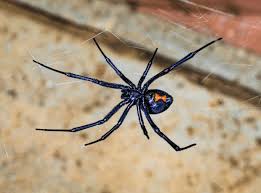
Black Widow Spider (Latrodectus spp.) – Recognizing the Red Hourglass Mark
Though not as aggressive as the wandering spider, the black widow is still a dangerous inhabitant of Iguazú National Park. Its venom contains neurotoxins that can cause muscle pain, cramps, and difficulty breathing. Fortunately, fatalities are rare, especially with medical intervention. These spiders tend to hide in crevices, woodpiles, and under rocks. Avoid reaching into hidden areas without proper inspection.
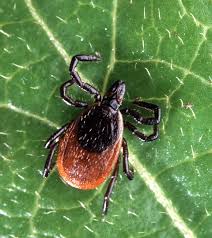
Ticks (Ixodidae Family) – Small but Dangerous
Ticks in the region can transmit diseases such as Lyme disease and Rocky Mountain spotted fever. They latch onto the skin of humans and animals, feeding on blood and sometimes carrying harmful bacteria. Wearing long sleeves, using insect repellent, and checking for ticks after hiking can significantly reduce the risk of bites.
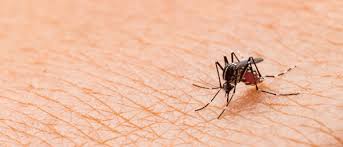
Mosquitoes (Aedes Aegypti & Anopheles spp.) – Carriers of Dengue and Malaria
Mosquitoes in the park are not just a nuisance; they can carry diseases such as dengue fever, Zika virus, and malaria. These illnesses can cause fever, rashes, joint pain, and more severe complications in some cases. To protect yourself, wear light-colored clothing, apply mosquito repellent, and use protective nets at night.
Safety Tips to Avoid Insect and Spider Bites:
- Wear protective clothing: Long sleeves, pants, and closed-toe shoes can minimize exposure.
- Use insect repellent: Apply repellent with DEET to prevent bites from mosquitoes and other insects.
- Be cautious in dark and damp areas: Spiders and insects often hide under rocks, logs, and inside tents or backpacks.
- Shake out clothes and gear: Before putting on shoes or sleeping bags, check for unwanted critters.
- Seek medical attention if bitten: If you experience severe symptoms from a bite or sting, visit a medical facility immediately.
Conclusion – Stay Safe While Exploring Iguazú National Park
Iguazú National Park is a spectacular destination with incredible biodiversity, but visitors should remain cautious of the insects and spiders that inhabit the area. By taking the proper precautions, you can safely enjoy the stunning landscapes and wildlife without unwanted encounters with these dangerous creatures. Stay aware, stay protected, and have an unforgettable experience exploring one of South America’s most iconic natural wonders. Don’t forget to pack insect repellent and follow safety guidelines to ensure a worry-free adventure.