Perito Moreno Glacier
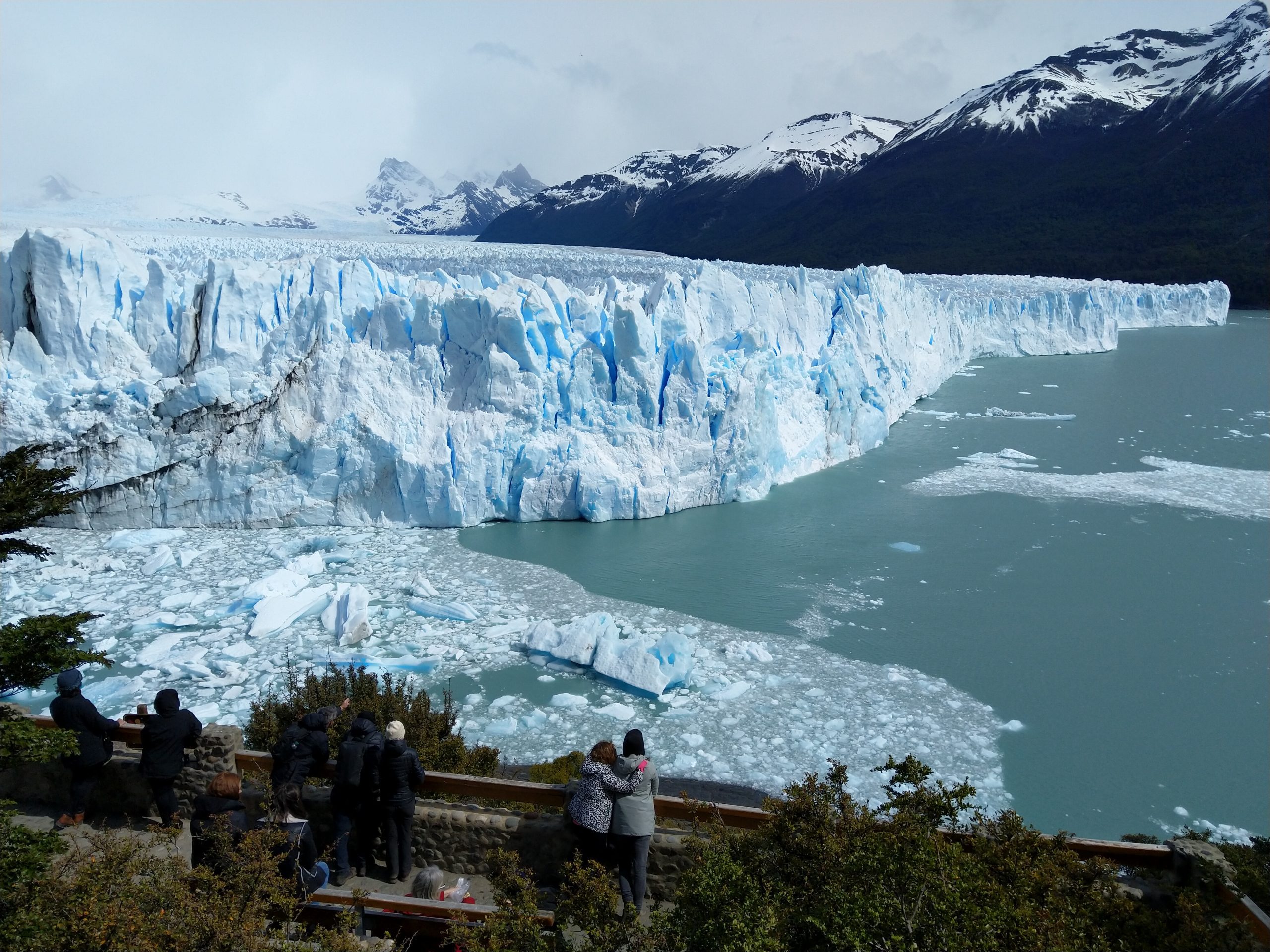
The Perito Moreno Glacier is one of the most famous glaciers in the world and is located in Los Glaciares National Park in the Patagonian region of Argentina. Here are some key points about it:
Size and Dimensions: Perito Moreno Glacier is around 30 kilometers (19 miles) in length and has an area of about 250 square kilometers (97 square miles). It’s one of the largest glaciers in the Southern Patagonian Ice Field.
Dynamic Nature: Unlike many glaciers worldwide that are receding due to climate change, Perito Moreno is unique because it’s still advancing. The glacier undergoes a cyclical process of advance and retreat, with its terminus periodically blocking off the waters of Lake Argentino, creating a dam. When the pressure builds up sufficiently, the ice dam ruptures in a spectacular event known as a “calving.”
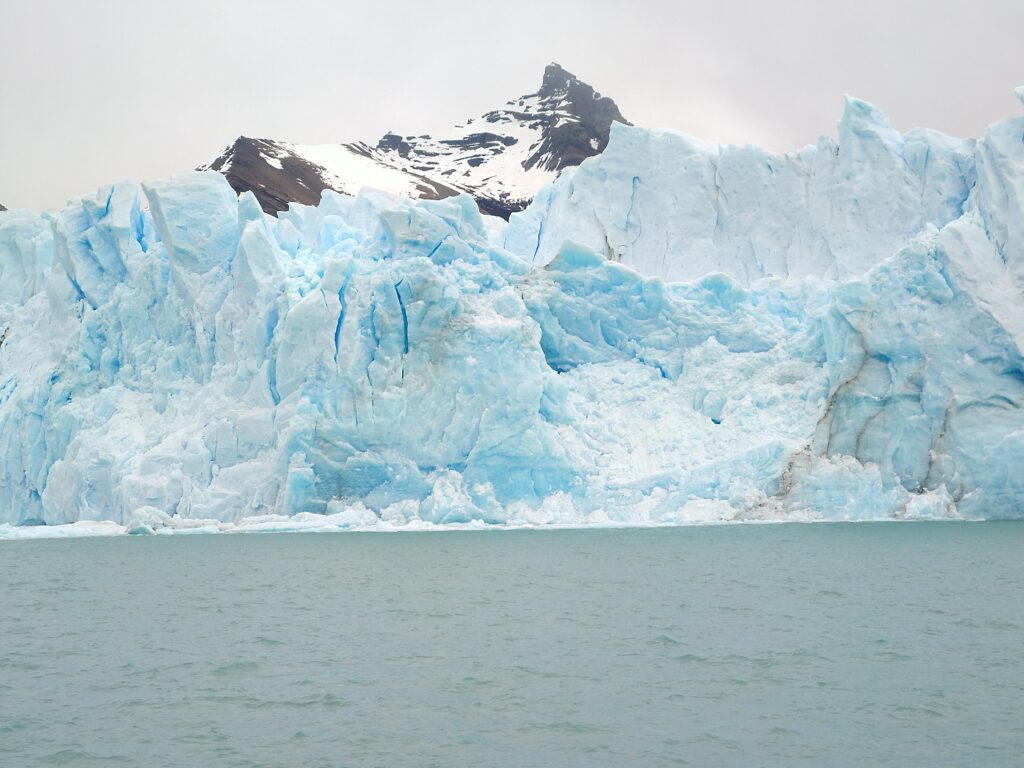
Calving Events: Calving occurs when large chunks of ice break off from the glacier and crash into the waters below. This phenomenon is a significant tourist attraction, drawing visitors from around the world to witness the spectacle. It’s a reminder of the glacier’s ongoing movement and transformation.
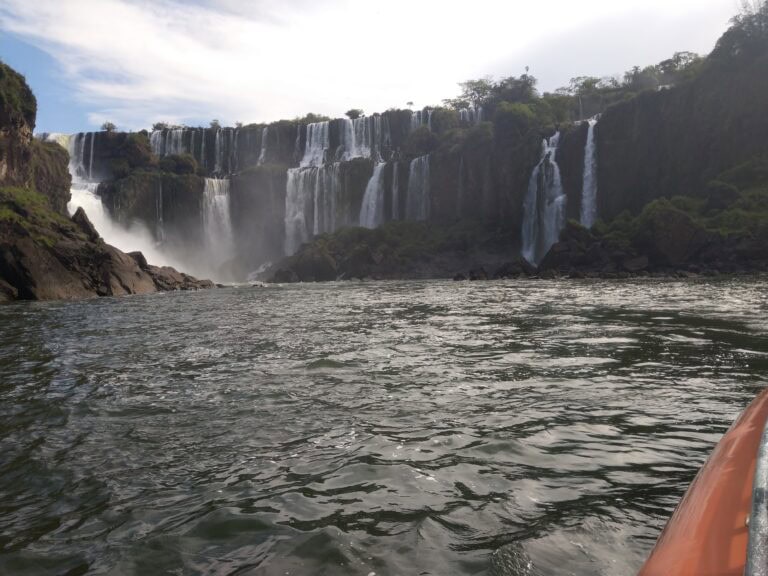
Accessibility: The Perito Moreno Glacier is relatively easy to access, with viewing platforms and walkways built along its front, offering visitors various vantage points to observe the glacier and its calving events. Boat tours are also available for a closer look.
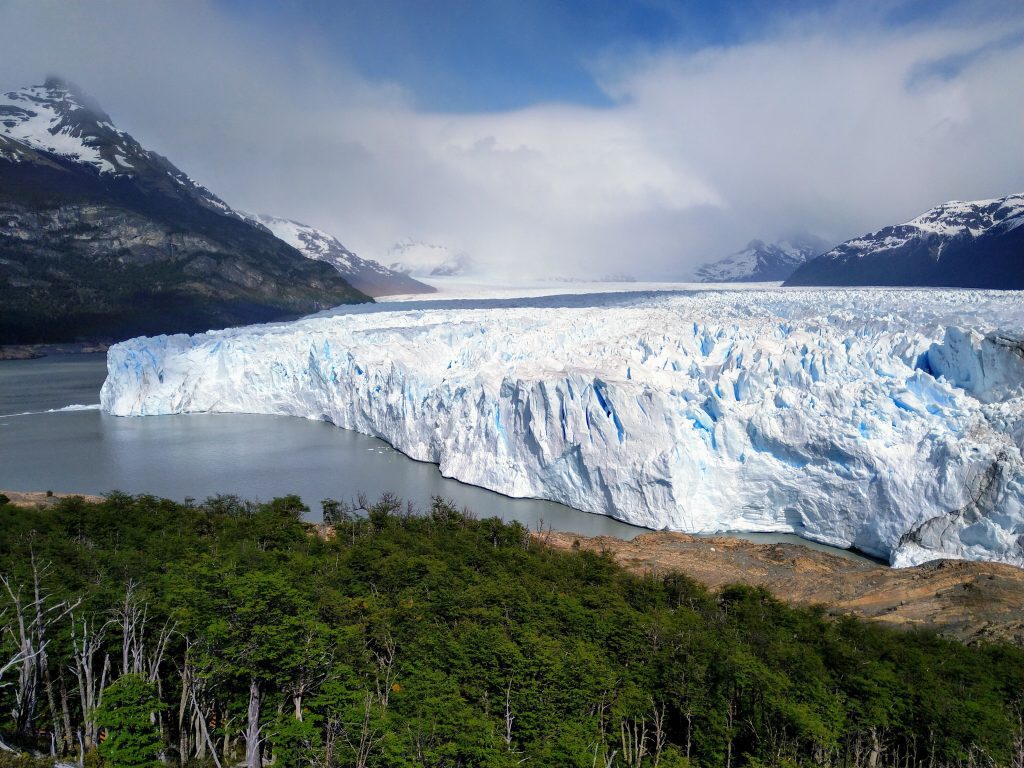
Conservation: The glacier and its surrounding area are protected within Los Glaciares National Park, which is a UNESCO World Heritage Site. Efforts to preserve the glacier and its ecosystem are ongoing, including monitoring of its changes and promoting sustainable tourism practices.
Tourism: Tourism plays a significant role in the region’s economy, with visitors coming to witness the breathtaking beauty of the glacier and the surrounding landscape. Activities such as trekking, ice hiking, and glacier cruises are popular among tourists seeking adventure and exploration.
Overall, the Perito Moreno Glacier is not only a natural wonder but also a symbol of the importance of preserving our planet’s fragile ecosystems.